Methodology

Technique Library

Cooking is the application of heat to alter the chemical and physical properties of food. Master these methods to gain control over texture and flavour.

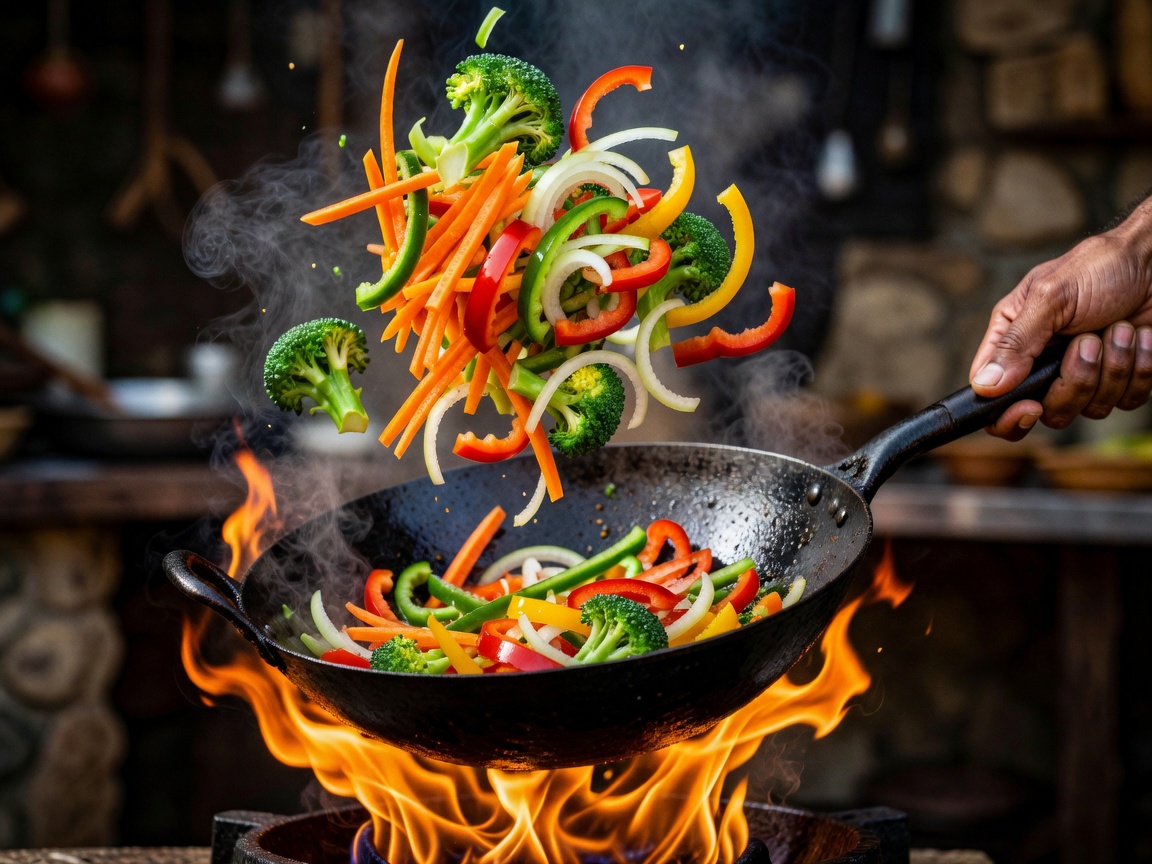
Vegetables being tossed in a hot pan over a flame
Dry Heat (Conduction)

Sautéing

Cooking food quickly in a small amount of fat over relatively high heat. The goal is browning (Maillard reaction) and rapid moisture evaporation. Requires continuous movement or tossing to prevent burning.

Read Technique →
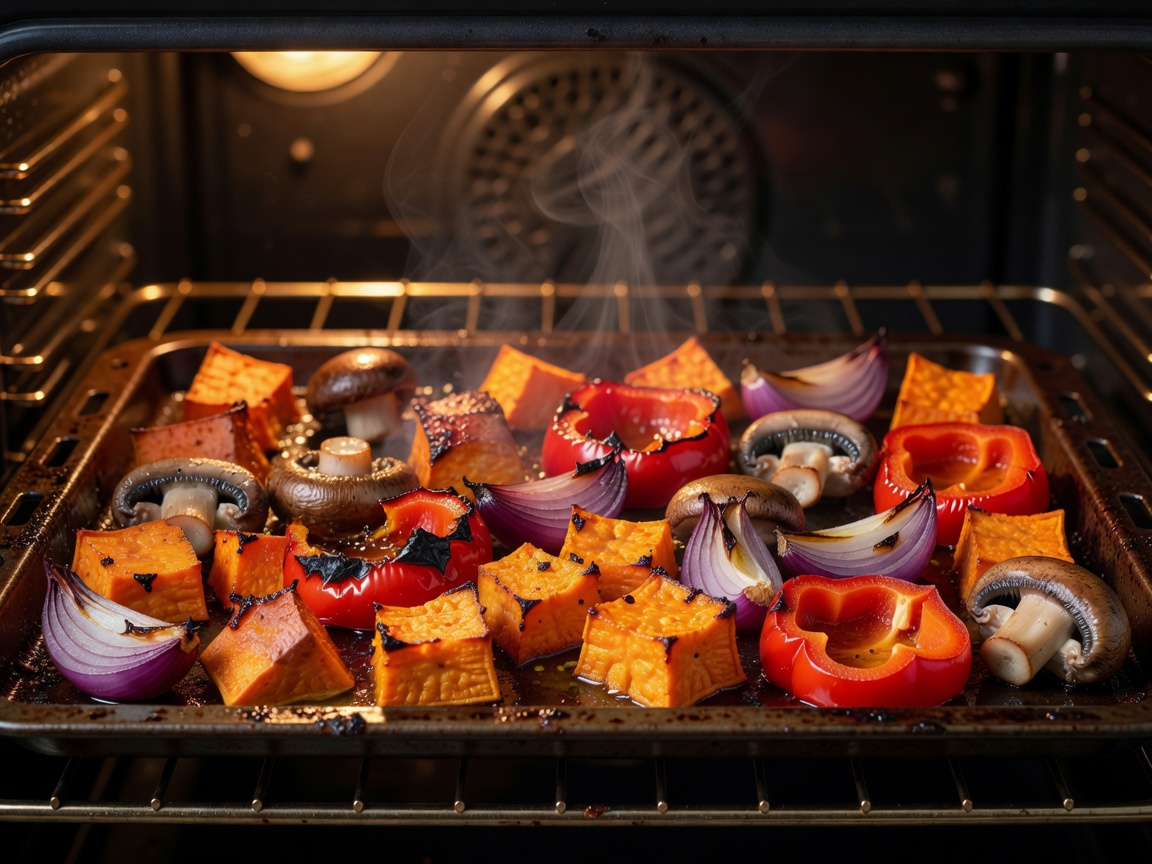
Root vegetables roasting on a tray in an oven
Dry Heat (Convection)

Roasting

Cooking via dry, hot air surrounding the food in an oven. The ambient heat slowly penetrates the interior while drying out the exterior, leading to deep browning and the concentration of natural sugars through moisture loss.

Read Technique →
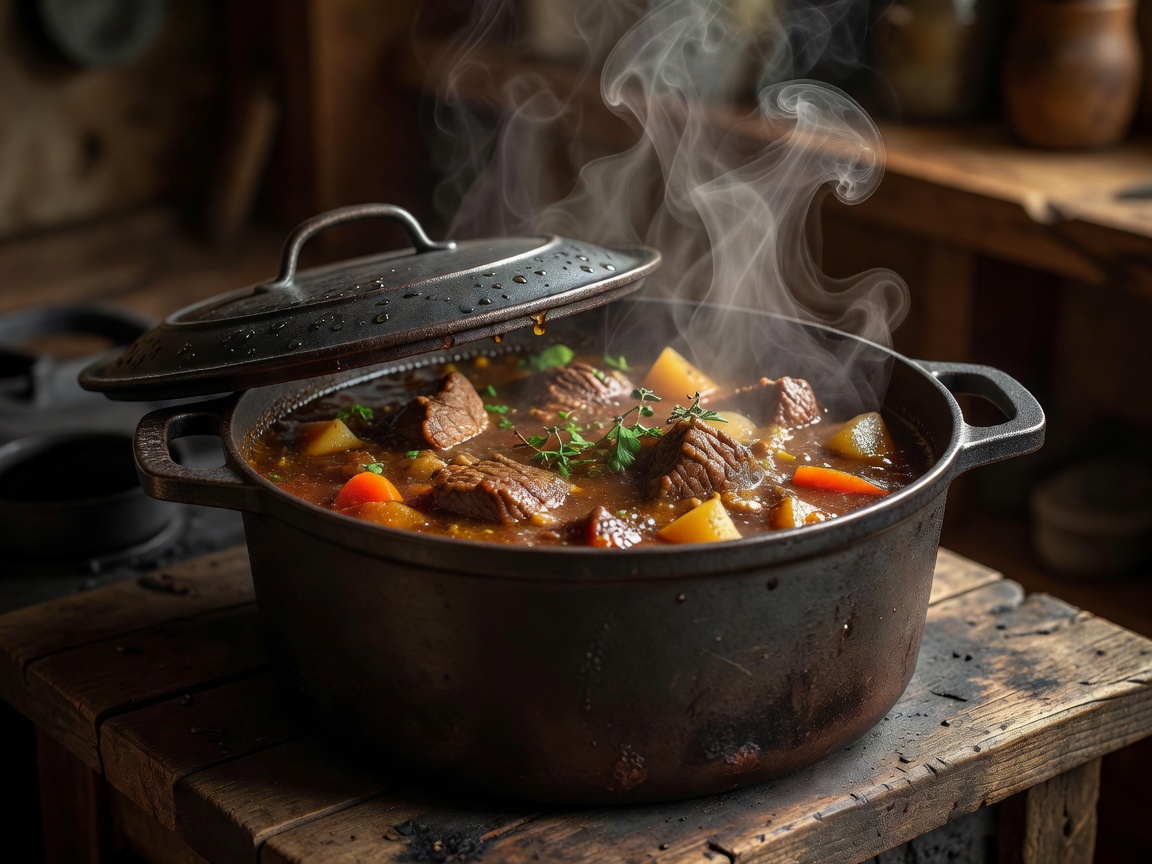
A heavy pot with a lid simmering a rich stew
Moist Heat

Braising

A combination method: first searing at a high temperature, then finishing in a covered pot with a small amount of liquid at a low temperature. Essential for breaking down tough connective tissues (collagen into gelatin) in meats and hardy vegetables.

Read Technique →
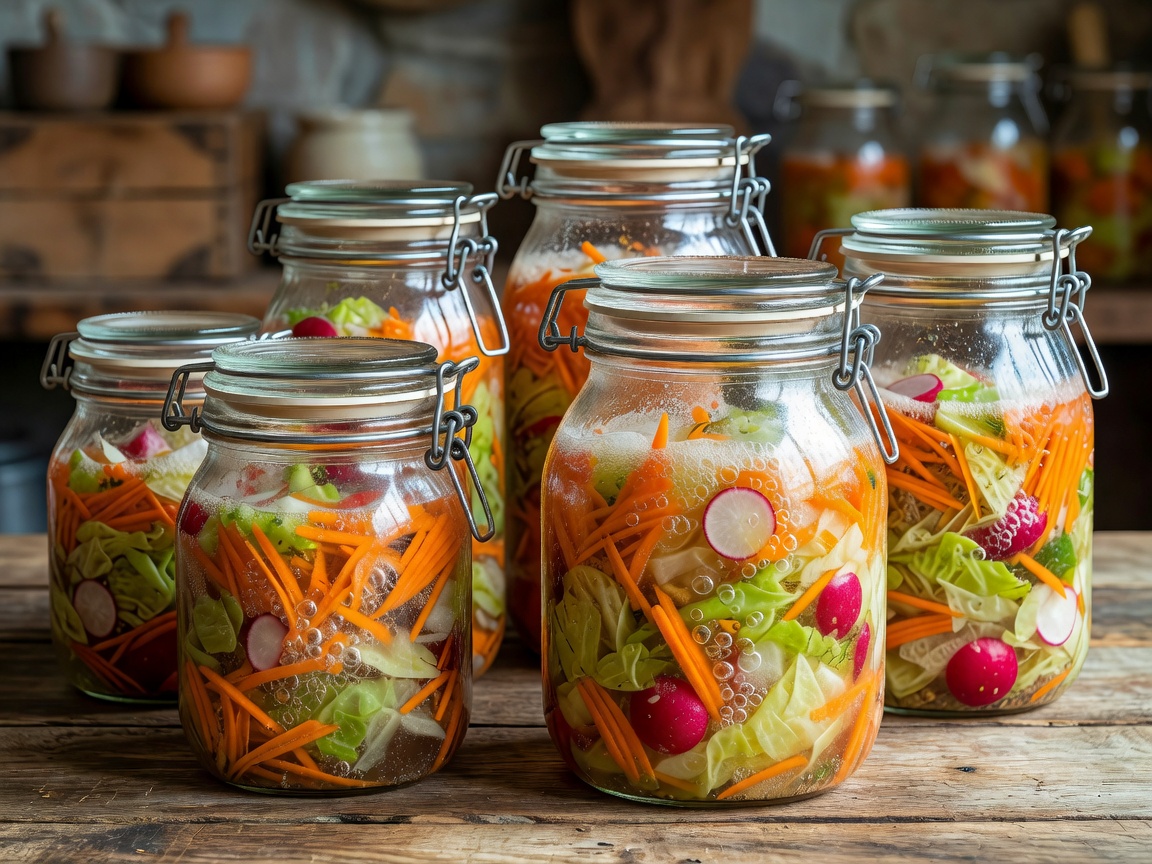
Glass jars containing bubbling fermented vegetables
Biological Transformation

Fermentation

The controlled, deliberate encouragement of beneficial microbial activity (bacteria or yeast) to alter food. This process lowers pH (creating sourness), extends shelf life, and develops incredibly complex, savory flavour profiles.

Read Technique →