Food • Technique • Discovery

Understand Food.
Cook With Curiosity.

Explore ingredients, cooking techniques, flavour combinations, and the ideas behind the food we make every day.

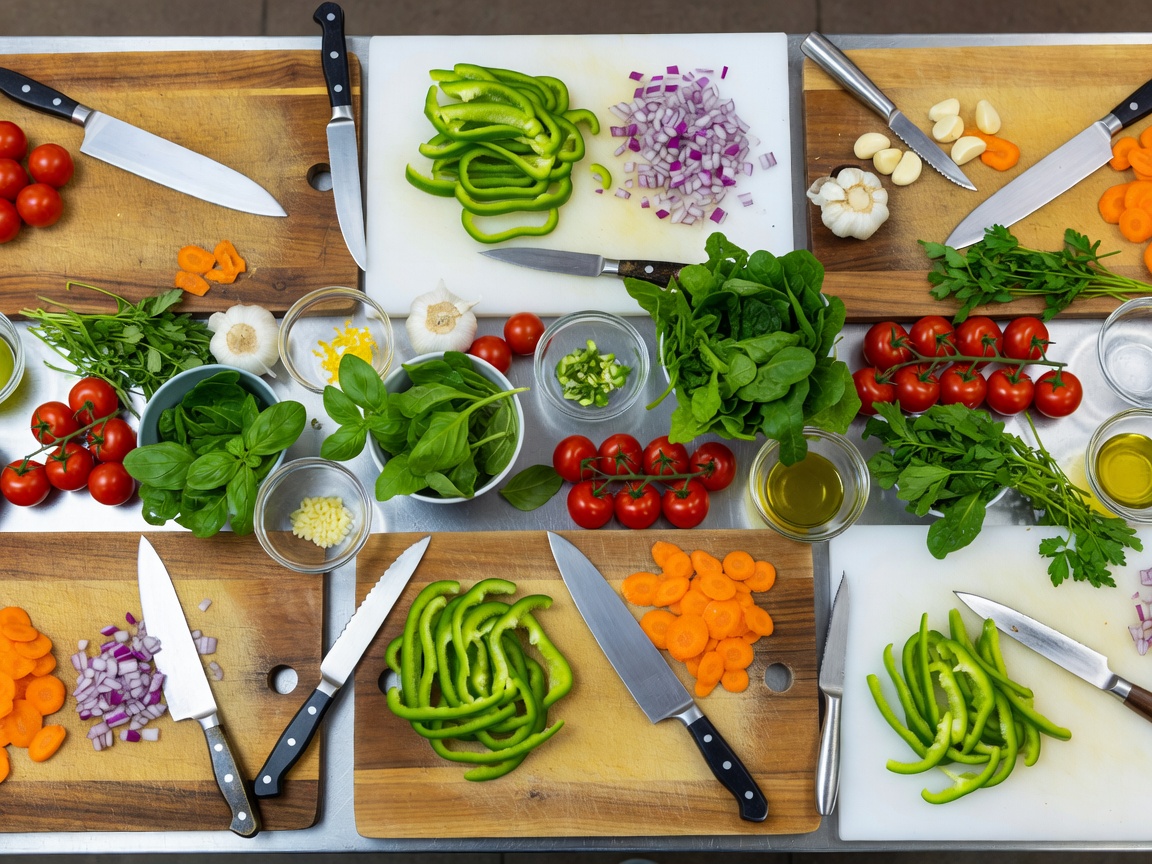
A busy kitchen prep surface with fresh ingredients, cutting boards, and knives viewed from above

From the Notebook

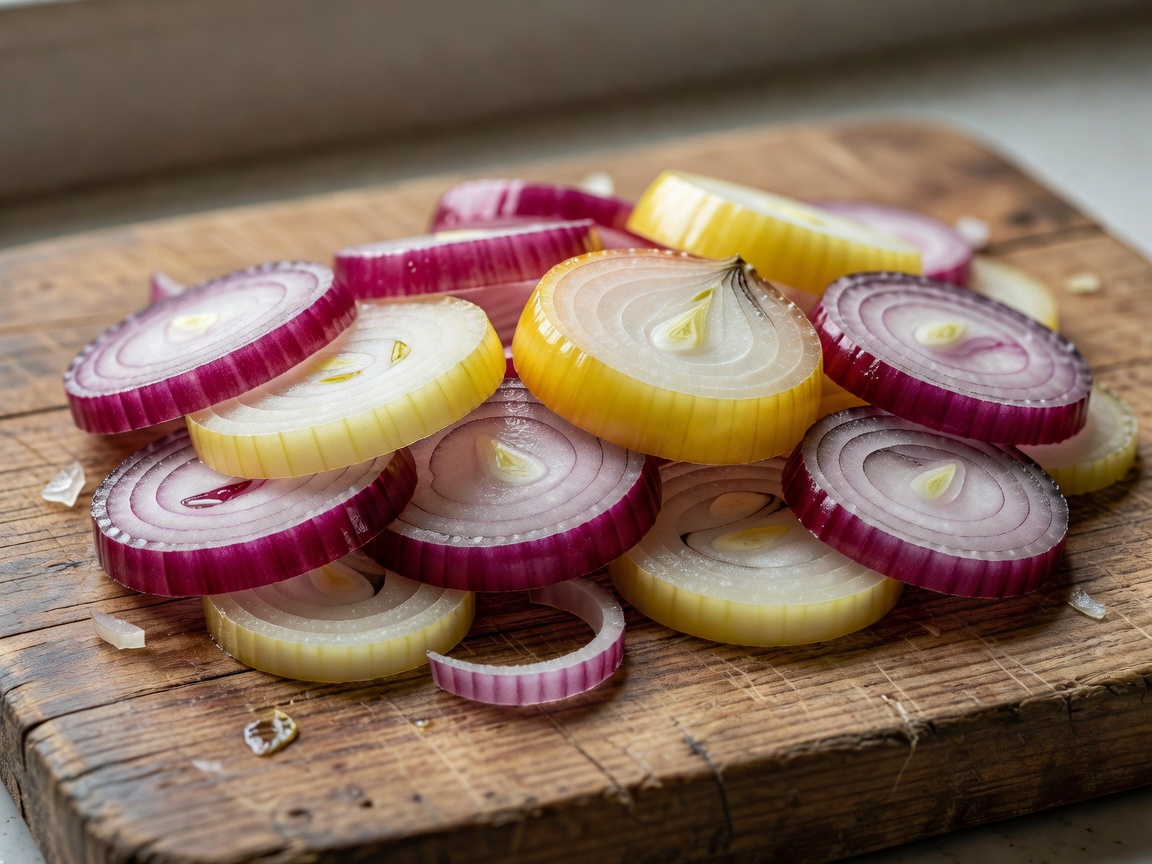
Sliced red and yellow onions on a wooden board
Food Science

Why Does Onion Become Sweet?

Discover the fascinating chemical transformation that occurs when onions are exposed to slow, steady heat. Learn how breaking down complex cellular structures releases natural sugars, shifting the flavour profile from sharp and pungent to deeply rich and caramelized.

Read the Note →
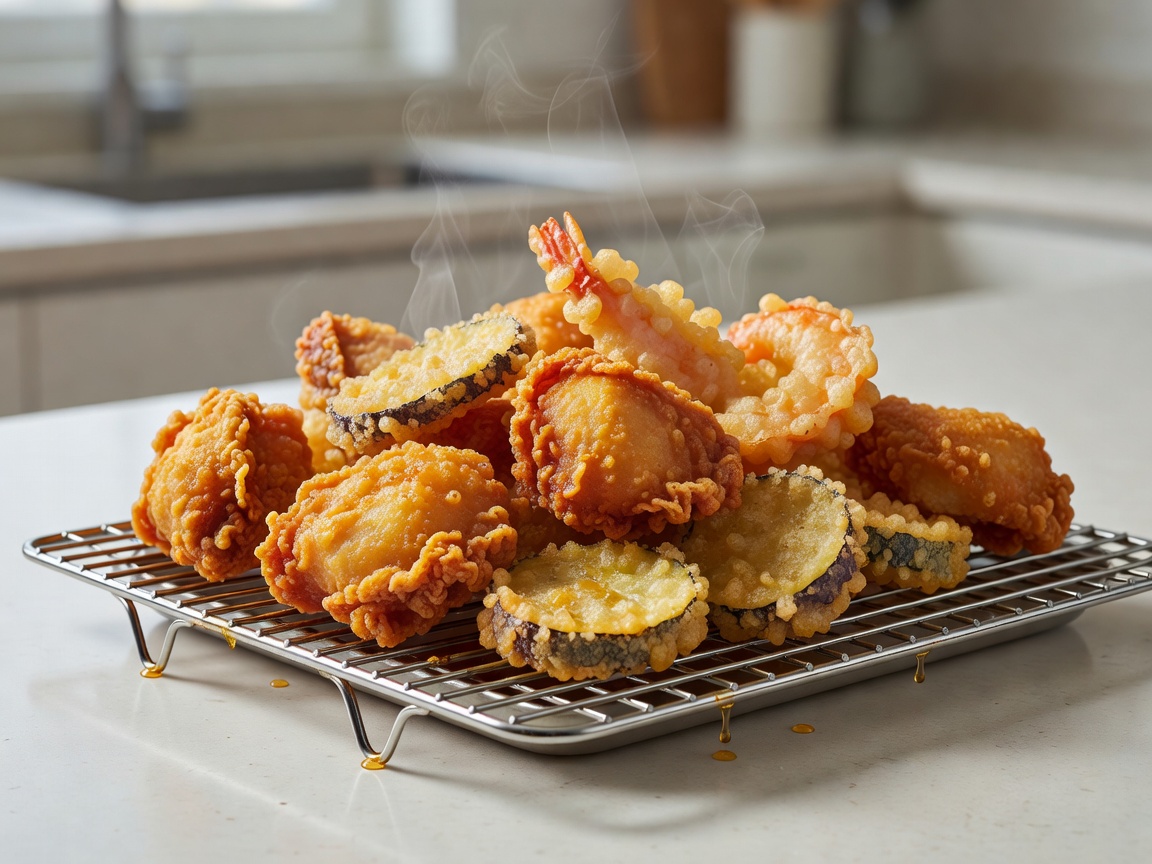
Crispy fried food cooling on a wire rack
Technique

The Science of Crispy Food

Crispiness is a highly sought-after texture, but achieving it consistently requires understanding moisture management. Explore how high heat, surface browning (the Maillard reaction), and starch gelatinization work together to create the perfect shatteringly crisp exterior.

Read the Note →
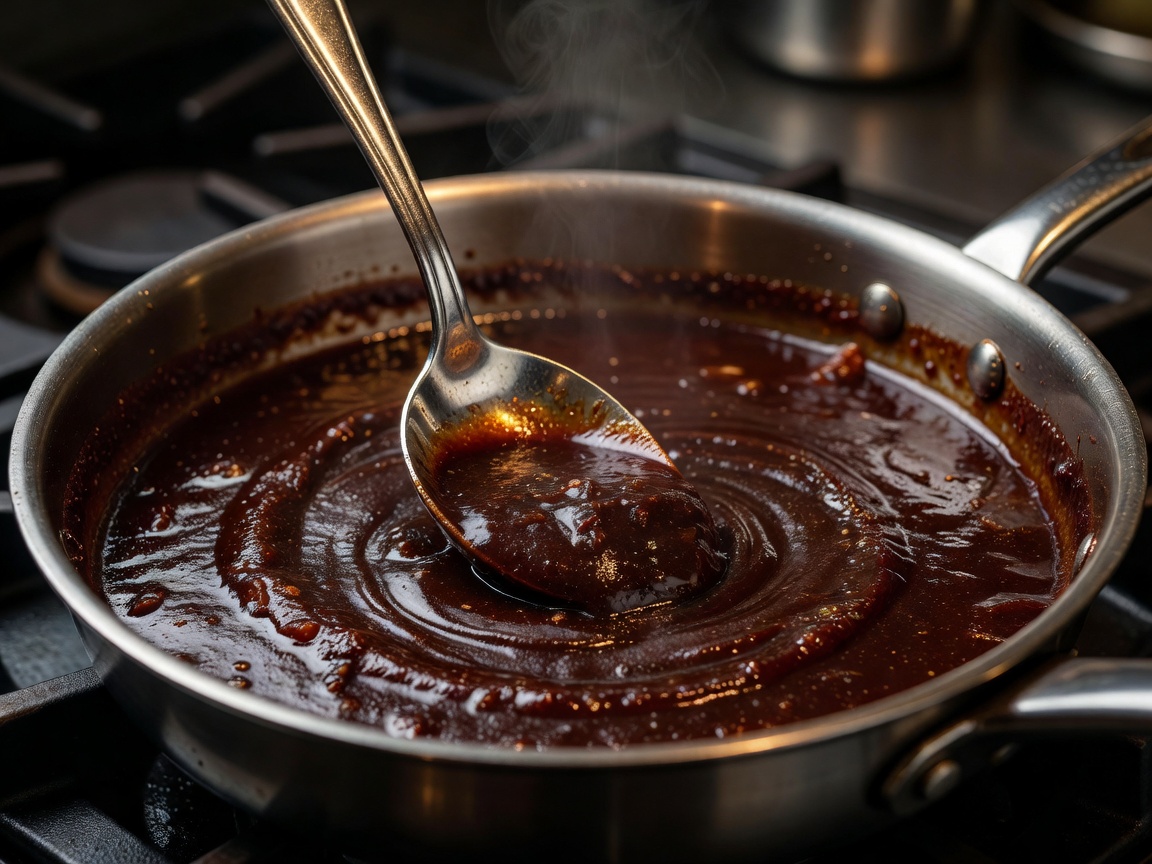
A dark, rich pan sauce being stirred with a spoon
Flavour

Building a Balanced Sauce

A great sauce is an exercise in equilibrium. We break down the delicate relationship between fat for mouthfeel, acidity for brightness, salt for enhancement, and underlying sweetness. Learn how to taste critically and adjust your sauces to perfection.

Read the Note →
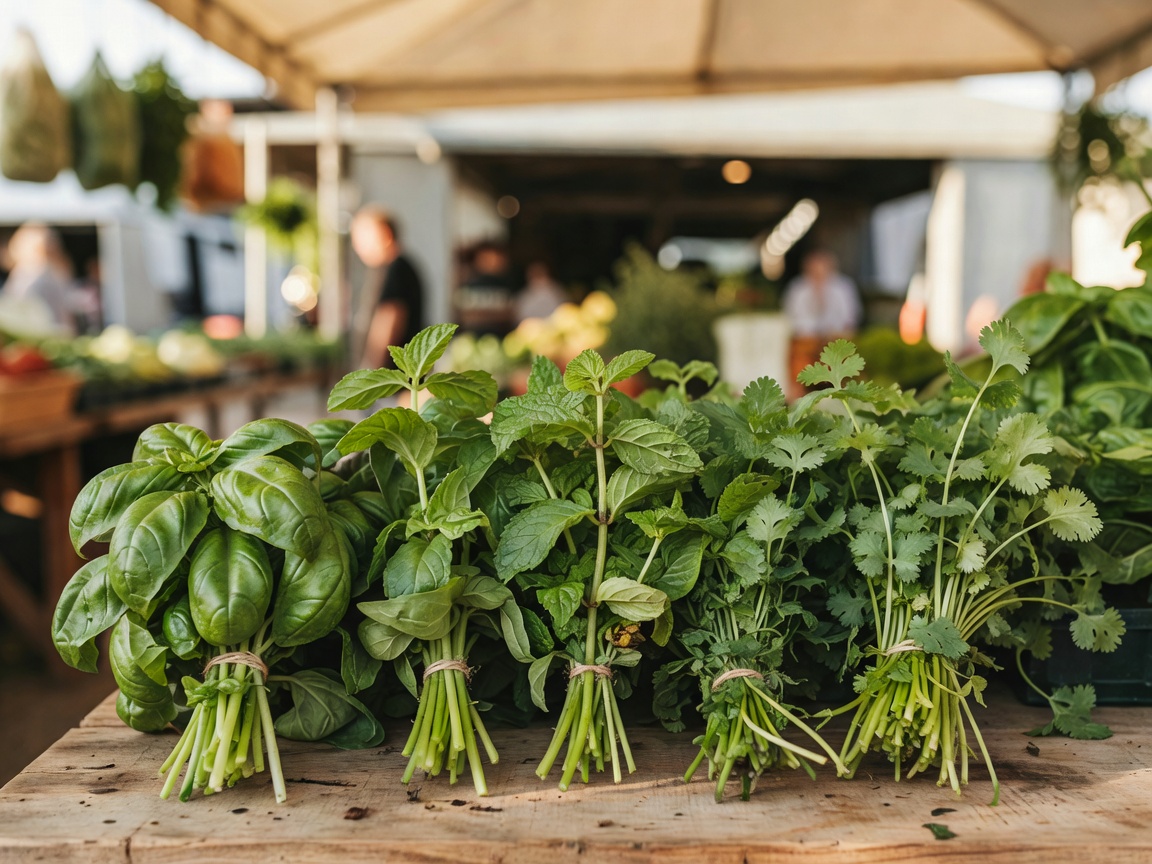
Bunches of fresh herbs including basil, mint, and cilantro
Ingredients

What Makes Fresh Herbs Taste Different?

Not all herbs behave the same way in the kitchen. Explore the distinction between robust, woody herbs that thrive in long braises and delicate, soft herbs whose volatile aromatic compounds are destroyed by heat. Master the timing of adding fresh greenery.

Read the Note →
Culinary Calendar

Seasonal Ingredients

The Awakening Kitchen

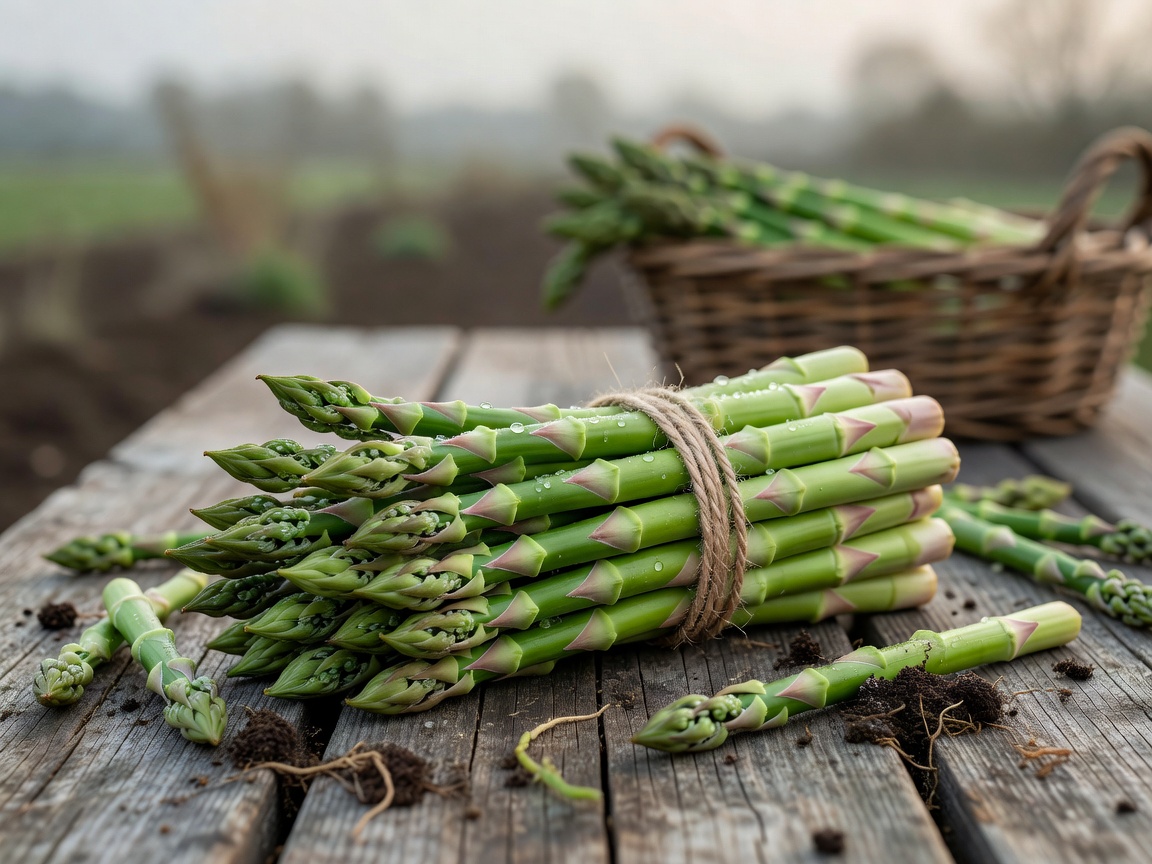
Spring signifies a return to lightness. Culinary focuses shift toward quick cooking methods like blanching and gentle steaming to preserve the delicate cell structures of young produce.

  • Key Ingredients: Asparagus, peas, new potatoes, wild garlic, tender leafy greens.
  • Flavour Profile: Bright, grassy, crisp, and mildly sweet.
  • Pairing Note: Combine young green vegetables with light fats like fresh butter or delicate olive oils, finished with lemon zest.
Explore Spring Produce
Freshly harvested spring asparagus bundled on a table

High Heat & Freshness

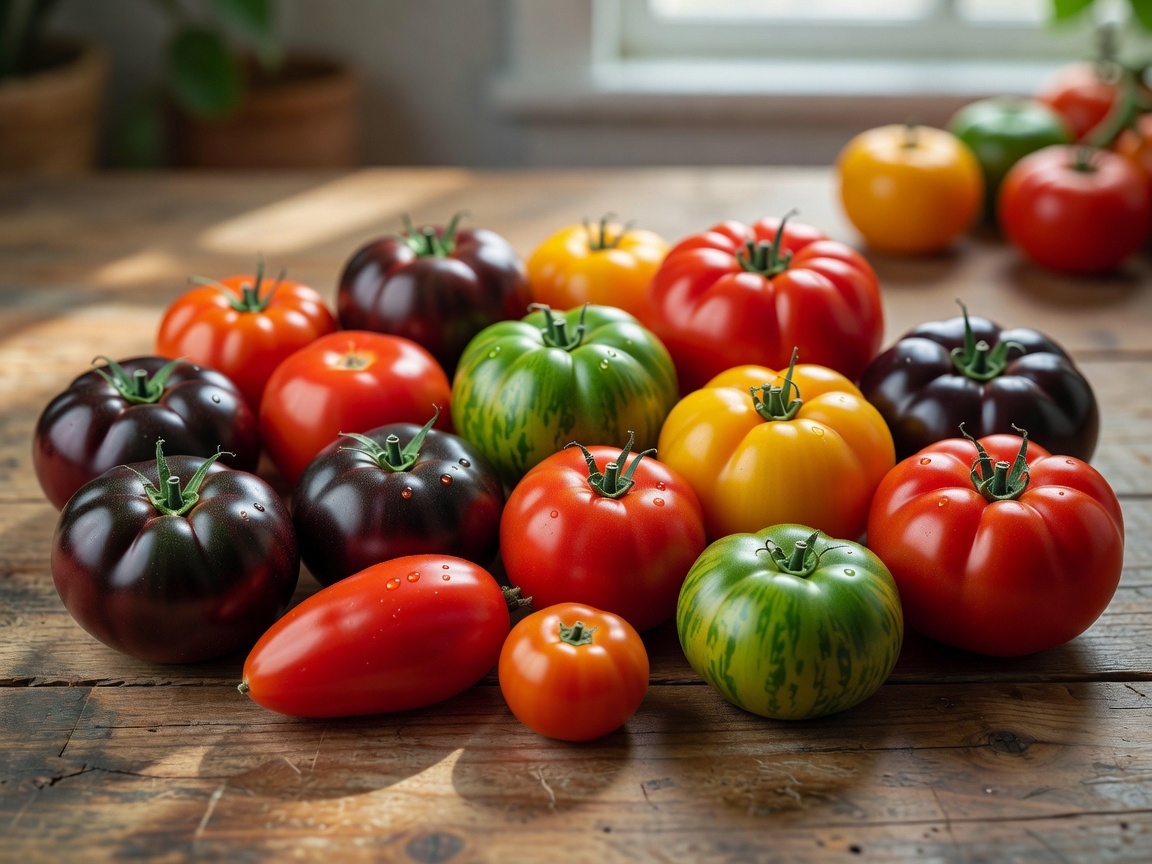
Summer ingredients are robust and bursting with sun-ripened sugars and acids. The kitchen utilizes high-heat grilling to char and blister, contrasting with raw, unadulterated preparations.

  • Key Ingredients: Tomatoes, sweetcorn, stone fruits, courgettes, basil, chillies.
  • Flavour Profile: Intensely sweet, highly acidic, juicy, and vibrant.
  • Pairing Note: The classic pairing of raw tomato, basil, and salt relies on the tomato's peak acidity balancing the herb's sweet anise notes.
Explore Summer Produce
A variety of ripe, colourful heirloom tomatoes

Earthy Transformations

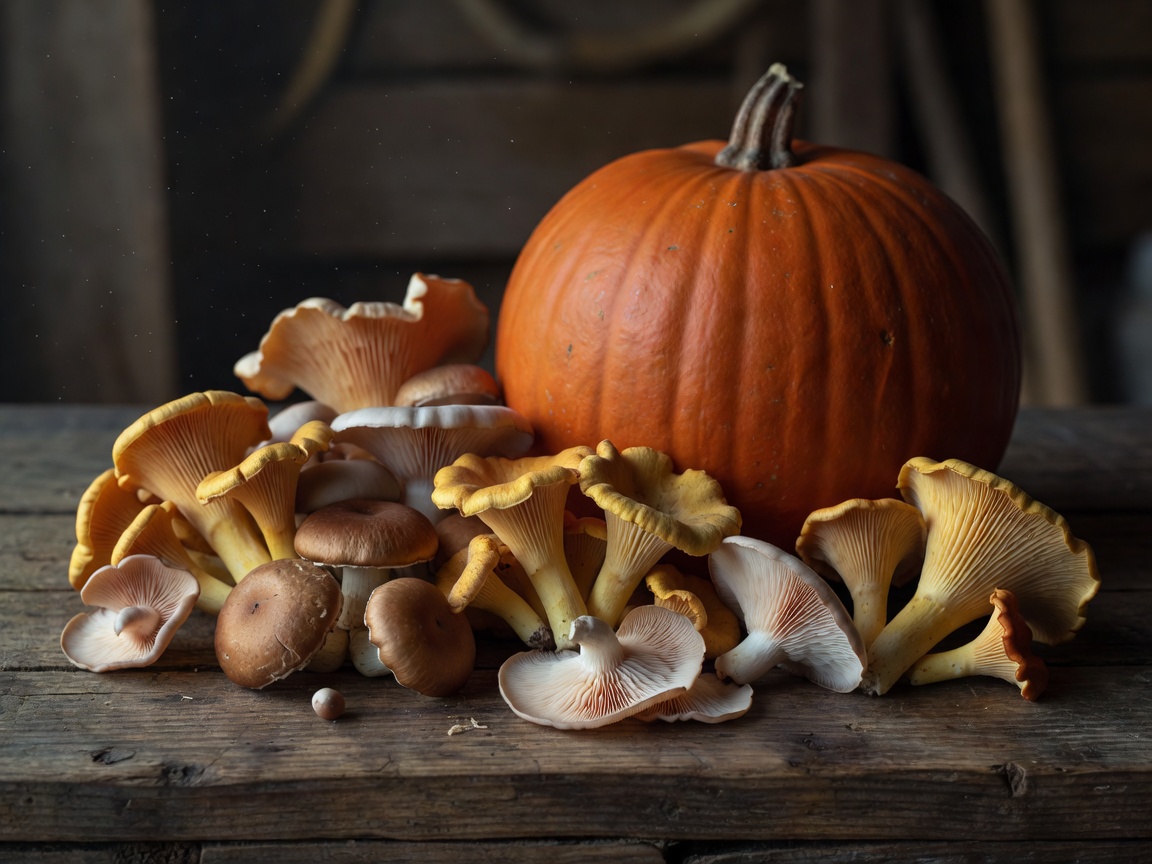
As temperatures drop, cooking slows down. Roasting becomes the primary technique, focusing on driving off moisture to concentrate sugars in denser, hardier vegetables.

  • Key Ingredients: Mushrooms, squash, apples, root vegetables, woody herbs (rosemary, thyme).
  • Flavour Profile: Earthy, sweet, nutty, and savory (umami).
  • Pairing Note: Earthy mushrooms paired with thyme require a fat element (like butter or cream) to carry the fat-soluble aromatic compounds to the palate.
Explore Autumn Produce
Wild mushrooms and a whole pumpkin on a rustic surface

Patience & Preservation

Winter cooking is defined by time. Tougher cuts of meat and robust root vegetables demand long, moist-heat cooking methods like braising and stewing to break down connective tissues and fibers.

  • Key Ingredients: Citrus, cabbages, stored potatoes, dried legumes, preserved/fermented foods.
  • Flavour Profile: Deep, rich, sharp (from citrus/preserves), and hearty.
  • Pairing Note: Bright winter citrus is essential for cutting through the rich, heavy fats typically consumed during colder months.
Explore Winter Produce
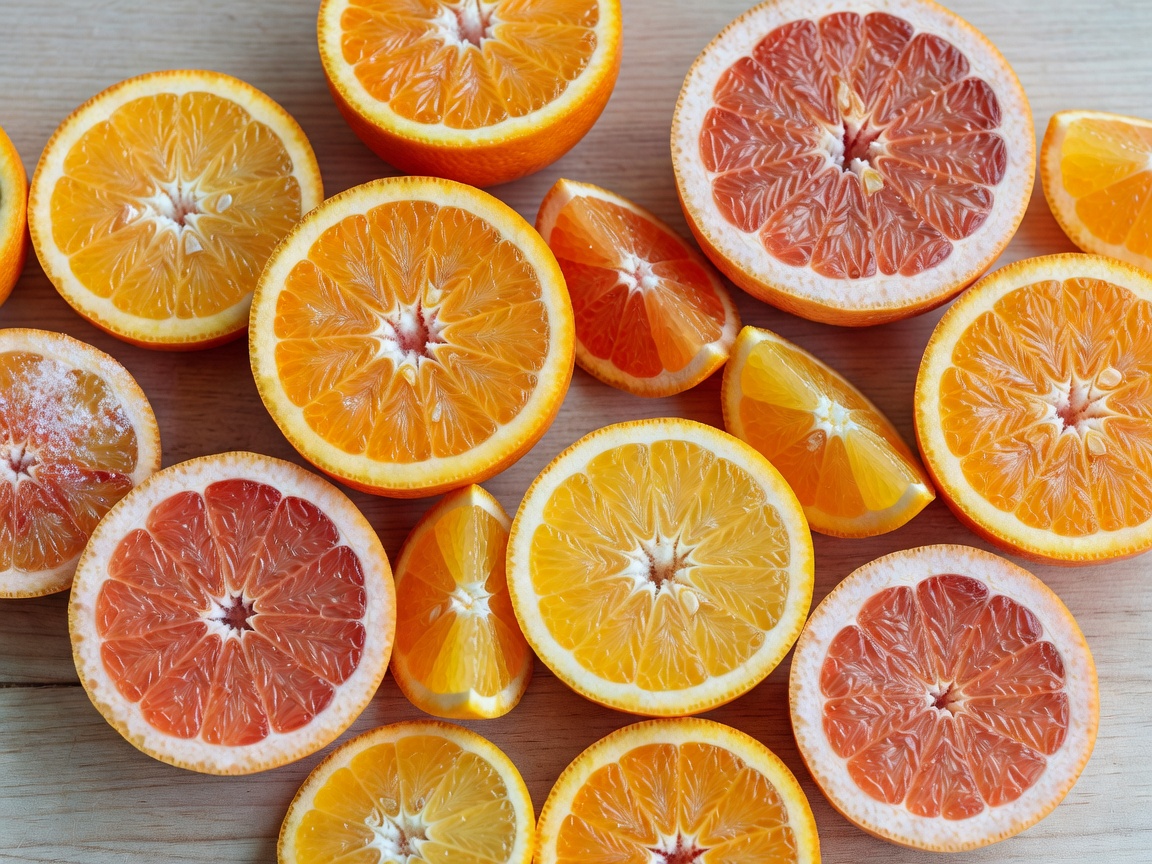
Slices of various bright winter citrus fruits including oranges and grapefruits